Longer runway
Firms that finance equipment keep a median 11.4 months more cash on hand than firms that buy outright
ELFA Foundation, Industry Horizon Report, 2024
Join 1,137+ appraised operators
Get a free appraisal and a no obligation term sheet in 4 business days, sized from the GPUs, ships, robots or machines you already own. The equipment keeps earning while it is pledged.
Free appraisal · No obligation · No prepayment penalty
Underwritten on value
Appraised value, not your credit score
Equipment stays
It keeps earning while it is pledged
Term sheet in 4 business days
One upload, 140+ collateral checks
As seen in
Data shows owners who borrow against clusters, hulls and machines they run sell less equity, add capacity sooner and reach the next round with more cash than owners who buy outright.
Ridgeline Compute, Reno NV
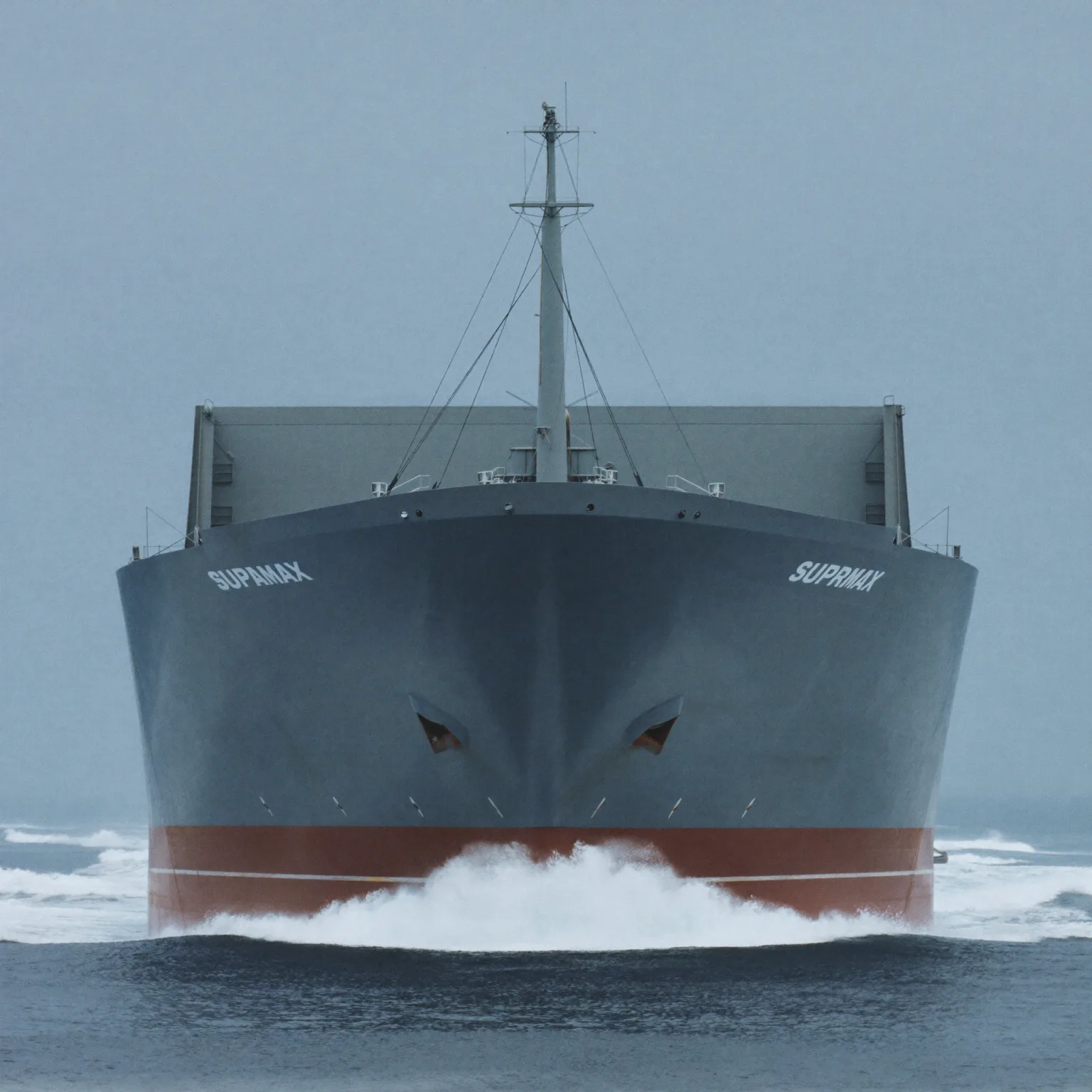
Marram Shipping, Houston TX
Firms that finance equipment keep a median 11.4 months more cash on hand than firms that buy outright
ELFA Foundation, Industry Horizon Report, 2024
GPU clusters funded in 2025 added between 9.2 and 14.1 months of runway, median 11.6 months across 61 loans
Safewaterline portfolio, 61 GPU loans closed 2025
Equipment loans had the highest approval rate of any product in the survey, with 81.3% of applicants approved at least in part
Federal Reserve Small Business Credit Survey, 2023
Equipment finance companies approved 74.6% of applications through 2024 while bank credit boxes tightened
ELFA Monthly Leasing and Finance Index, 2024
Secured equipment debt priced 9.8% to 13.6% against seed equity priced to return 30.6% a year to the investor
Carta; ELFA Foundation cost of funds data, 2024
Founders who funded hardware with debt held 6.3 points more of the company at Series B than founders who sold equity for the same equipment
Carta, founder ownership data, 2024
Companies that added secured debt before the raise took a bridge round 2.1 times less often than companies that raised equity only
Carta, State of Private Markets, Q4 2024
Companies with equipment debt on the books reached Series B 7.4 months sooner on median than companies without it
Carta, 2024
Founders at Series B hold a median combined stake of 21.4%; every round skipped keeps that number higher
Carta, founder ownership data, 2024
Robot fleets bought with debt grow 2.3 times faster in unit count than fleets bought from cash
A3 Robotics Market Report, 2025
Owners with mortgage capacity bought 63.4% of the secondhand bulkers sold in 2024
Clarksons Research, 2024
Operators who finance machinery farm 1,840 more acres on median than operators who buy from cash
USDA ERS, Farm Income and Wealth Statistics, 2024
78.1% of US businesses that acquired equipment used some form of financing to do it
ELFA Foundation, Equipment Finance Market Study
26.7% of bank loan applicants named a long wait for a decision as a problem with the process
Federal Reserve Small Business Credit Survey, 2024
Independent equipment lenders approved 76.8% of applications in 2024 against 58.1% at large banks
ELFA MLFI; Federal Reserve SBCS, 2024
A UCC filing posts in 1 business day in most states and a preferred ship mortgage records at the flag registry inside a week
State UCC filing offices; US Coast Guard NVDC
Median 4 business days from complete upload to signed term sheet across 148 loans closed in 2025, fastest 2
Safewaterline portfolio, 148 loans closed 2025
H100 hourly rental prices fell 61.7% between January 2023 and June 2025, so the borrowing window on a cluster is measured in quarters
Silicon Data H100 rental index
Bulk carrier values moved 31.6% inside a single year, and an unlevered owner eats the whole move
Clarksons Research, secondhand price indices
Clarksons publishes 1,140 vessel price points a week and GPU rental rates publish daily, so the collateral is priced by a market, not guessed by a loan officer
Clarksons Research; Silicon Data
Used tractor and combine auction prices slipped 10 to 15% in 2024 from the 2022 peak, before most owners thought to borrow against them
USDA and auction price reports, 2024
Forced liquidation value runs 15 to 30 points below orderly liquidation value in standard equipment appraisal practice
American Society of Appraisers
Companies that raised with under 6 months of cash took a down round at 2.4 times the rate of companies with over 18 months, and 19.4% of all priced rounds in 2024 were down
Carta, State of Private Markets, 2024
Startup shutdowns on the platform rose 25.6% in 2024 over 2023, most of them with saleable equipment still on the books
Carta, shutdown data, 2024
Each $1M of working capital covers 4.8 engineer years at median US senior engineer cash comp
Carta, compensation benchmarks, 2024
Companies with more than 18 months of runway cut headcount at 0.4 times the rate of companies under 9 months in 2023
Carta, headcount data, 2023
Equity you did not sell keeps the median 9.6% post seed pool intact for the people you are about to hire
Carta, option pool data
Companies carrying secured equipment debt under 0.8 times annual revenue priced their next round at a 1.3 times higher revenue multiple than companies that sold equity for the same hardware
Carta, State of Private Markets, 2024
Companies that raised with over 18 months of runway priced their next round 1.6 times higher than companies that raised under 6 months
Carta, State of Private Markets, 2024
Equipment lending is broken: banks run one credit box for a tractor, a tanker and a rack of H100s, so owners sell equity or the machine itself when neither needed to go.
Equipment finance is broken. Banks run every borrower through the same credit box, ignore the machines on the balance sheet, and push founders into equity rounds and fire sales they do not need.
The old way
Working capital that costs you equity
Step 1
Fixate on last year's P&L
the bank reads twelve months of statements and stops there
Step 2
Fill the credit box
same form for a bakery and a neocloud
Step 3
No asset appraisal
nobody prices the $4.2M of hardware you own
Step 4
Unnecessary equity round
a priced round to cover a six month gap
Step 5
Dilution and lost upside
the equipment keeps earning, you keep less of it
The new way
Working capital secured by what you own
Step 1
Consider your whole balance sheet
hardware, contracts and hulls count, not only cash flow
Step 2
Safewaterline appraisal
140+ collateral checks on the assets you already own
Step 3
See your term sheet
advance rate, term, rate, in writing
Step 4
Lien perfected, loan funded
UCC lien, ship mortgage or title, filed by us
Step 5
Capital in, equipment still working
no prepayment penalty
"I spent eleven years approving equipment loans the slow way. Safewaterline underwrites the machine first and the borrower second, which is how it should have worked all along."

Every asset is different. We run more than 140 collateral checks on each unit to give you a precise picture of what your equipment can borrow today.
Asset class
Ownership
64 nodes, 512 GPUs
Utilization readout
Your H100 cluster falls in the top 18% for trailing 90 day utilization.
Your hours per node are in the 61st percentile for clusters of this size.
Advance rate
62% (You)Market $7,740 per H100 GPU · Your units $8,230 per H100 GPU (SXM, under warranty)
Condition
Both site terms outlast a 36 month facility. Warranty ends 22 months before maturity.
Value split
Per H100 GPU
0.64
Depreciation
A bank credit box has no line for a GPU generation cycle or a Marshall Islands flag. Our underwriting does.

Models the resale path of your exact model and generation, from H100 to B200, from a 2019 combine to a 2024 one.
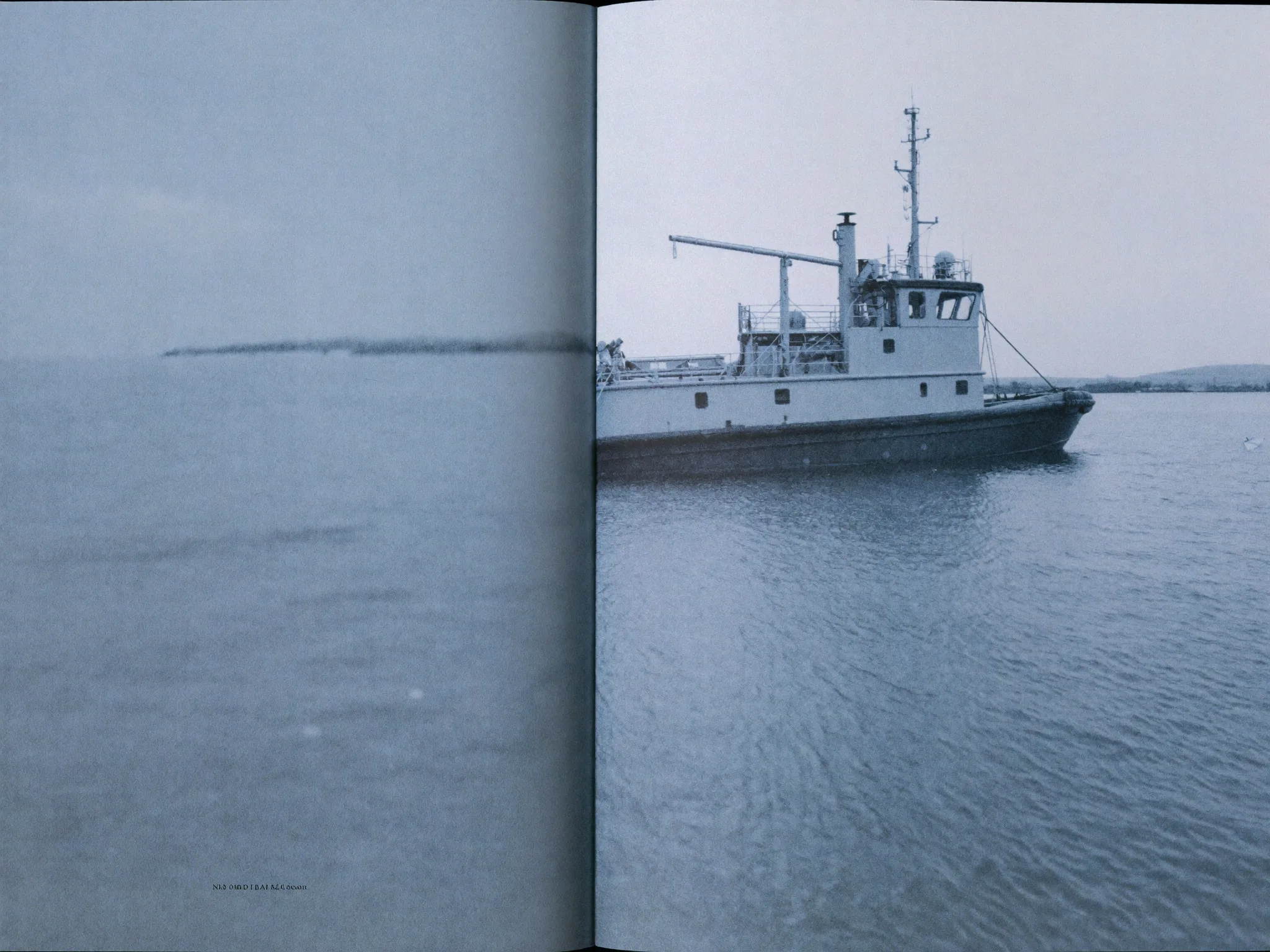
Prices the hull under Liberian, Marshall Islands or Panama registry rules, then records the mortgage in that registry and clears cross border title.
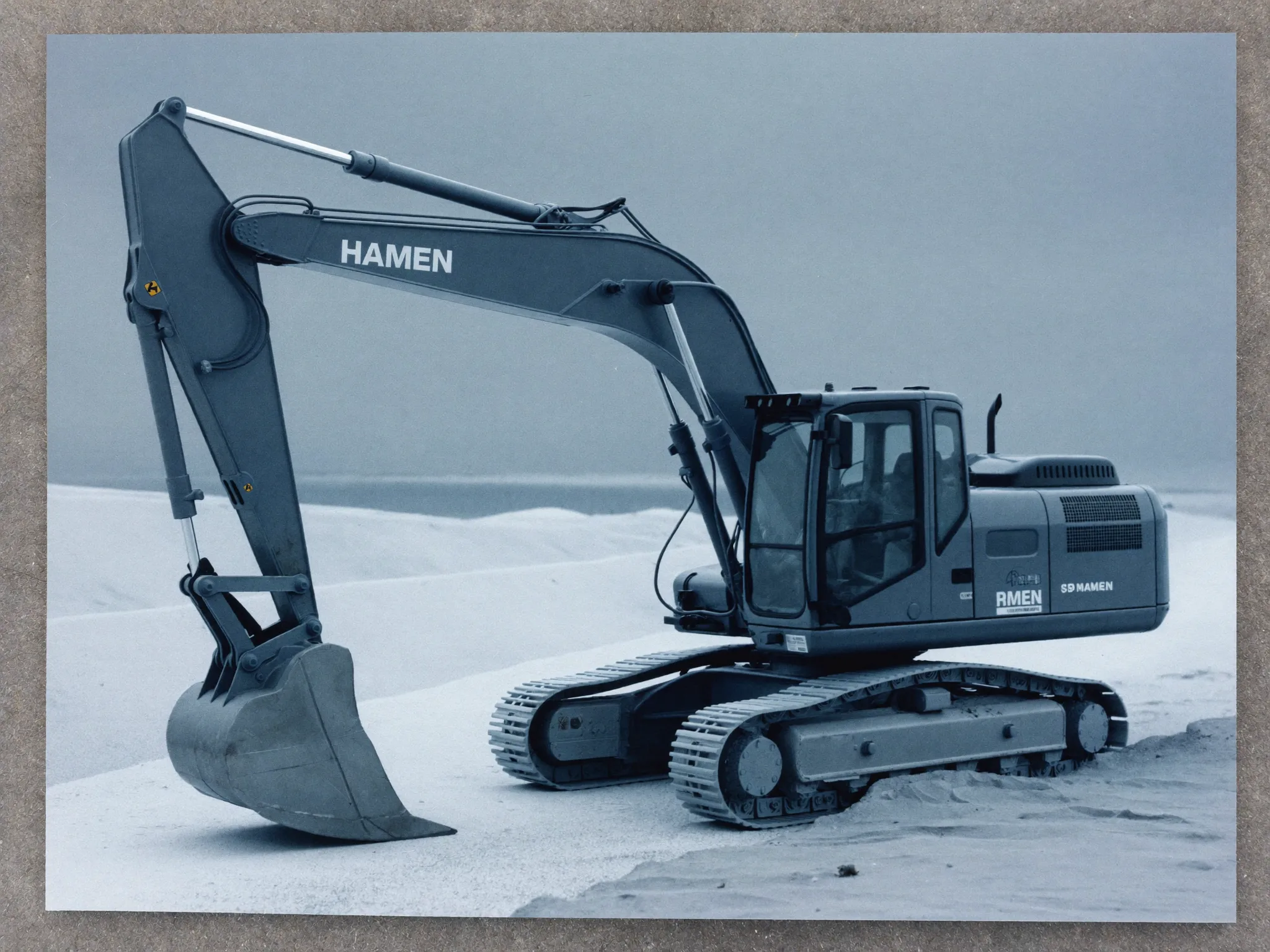
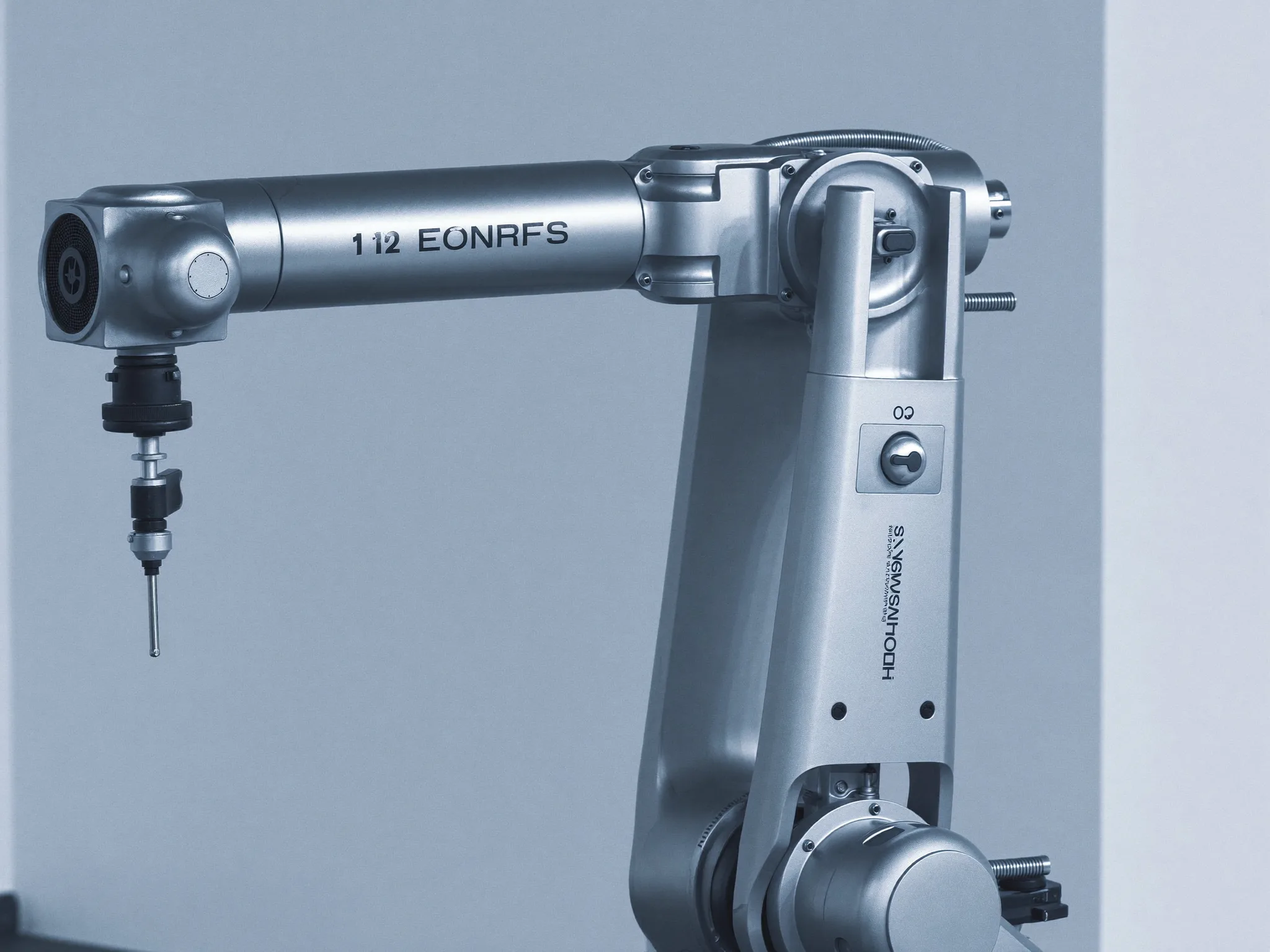
Reads the hour meter, cycle count on a 2019 arm, service log and overhaul history, not just the model year.
Counts signed compute contracts, charters and work orders as part of what your asset is worth.
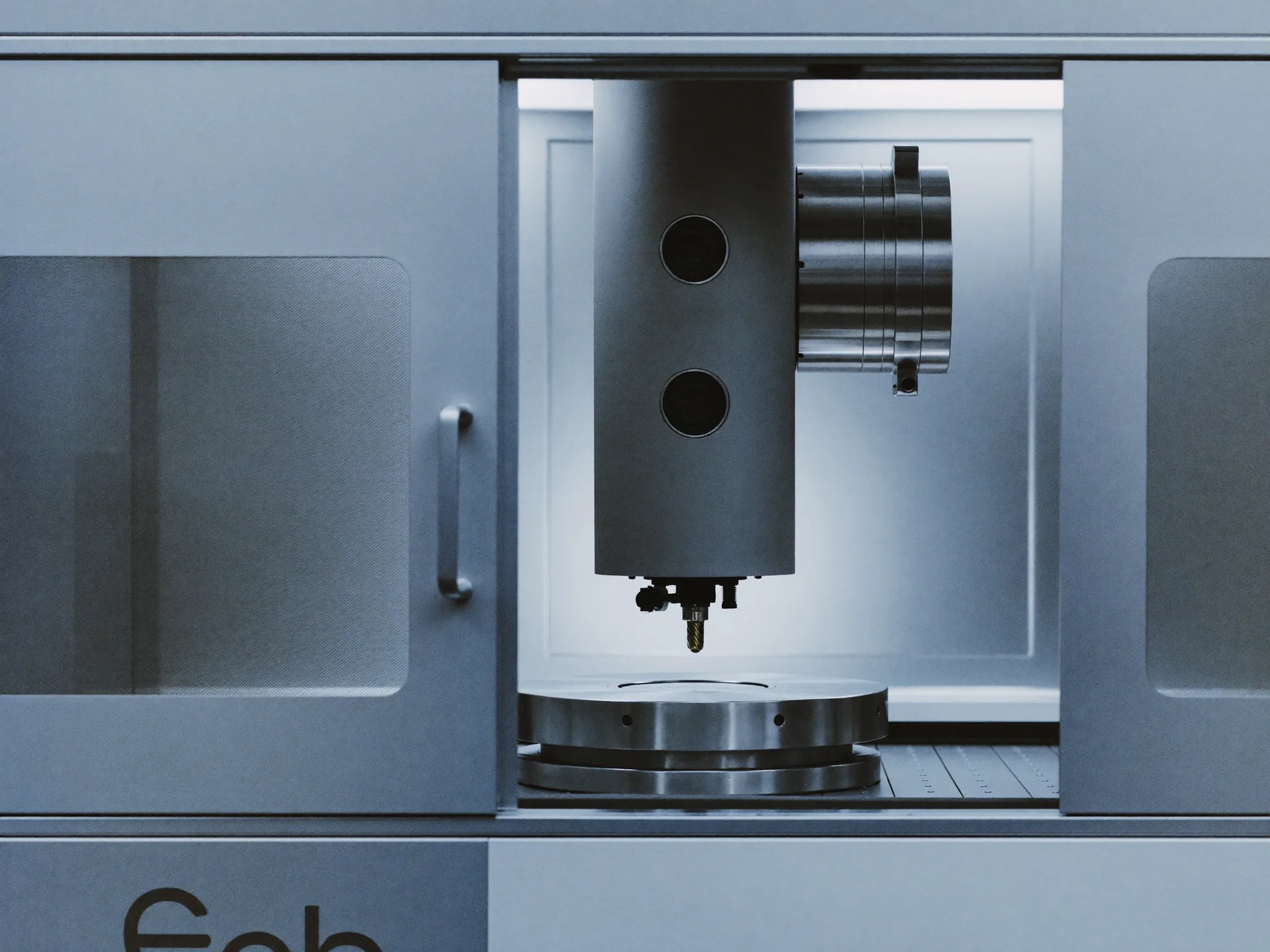
Considers who operates the asset, where it sits, the power contract behind it and the site lease under it.
One document, five sections, no obligation.
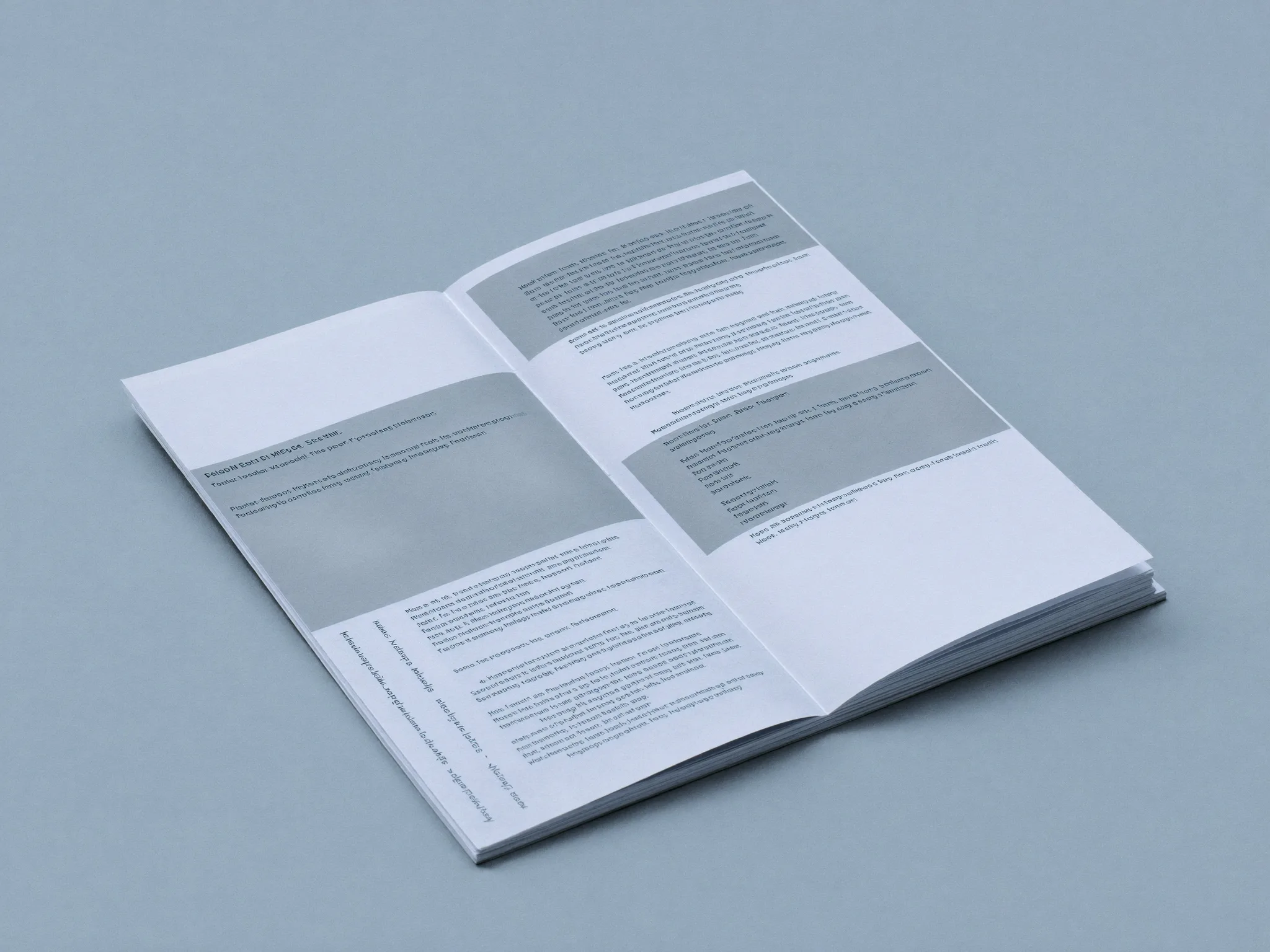
1
Your appraised value, advance rate and the headroom still available on each asset.
2
Line by line breakdown of every node, machine, unit or vessel in the pool.
3
Cross collateral structure and what happens when you add or retire a unit.
4
What you can borrow without selling equipment or raising equity.
5
Plain explanations of rate, amortization, covenants and the no prepayment penalty clause.
Term sheet · Halvard Compute Co. · 512 H100 SXM GPUs across 64 nodes · Appraised $4,213,760 · Advance 62% · Facility $2,612,531 · Rate 11.4% fixed · Term 36 months · Prepayment penalty: none
A lien is a filing, not a repossession. Your cluster keeps renting, your combine keeps cutting, your vessel keeps trading, and you keep every share.
Know what your cluster, fleet or hull is worth as collateral and get a funded loan against it in four steps.
140+ collateral checks per asset. Typical path 14 business days from first call to wire.
We combine an asset level appraisal with lender grade underwriting to turn equipment you already own into cash. Clear terms sized to your asset, your utilization and your timeline, with no equity sold and nothing taken out of service.
512 H100 cluster
Advance 62% of appraised value, $2.61M working capital, no shares sold.
See the full term sheetTwo Supramax bulkers
Advance 55%, $21.2M working capital, bank wanted 90 days and a committee.
See the full term sheetMedian Series A dilution was 20.4% of the company. Carta, State of Private Markets.
We hand you a funded plan with the exact steps from appraisal to wire, priced and scheduled, so your asset becomes working capital without a single share sold or a single machine idled. Every plan is built from 2,340+ resale comps and 31 loan structures across GPUs, robots, farm and heavy equipment and ships.
Nearly 8 in 10 US firms that acquire equipment use financing. ELFA.
Underwriting built for odd assets
Advance rates drawn from 2,340+ resale comps and 31 loan structures, so you get a number, not a maybe.
Full term sheet for each asset
Advance rate, rate, term, fees and covenants listed line by line for every pledged unit.
Real projections of your cash position
A balance sheet view of before and after funding, with three advance scenarios per asset.
More than one structure per asset
Term loan, revolver or sale and leaseback for each unit, so you pick the one that fits the cash cycle.
Ask any question directly to your underwriter via chat.
Collateral appraisal
Day 0 to 3Term sheet and lien
Day 4 to 9Advance 62% of appraised value
Non dilutiveCost
Cost: none upfront
Cadence
Once
Time to effect
Day 4
Rate 11.4% fixed, 36 month term, 1.25% origination
Non dilutiveCost
Cost: 1.25% at close
Cadence
Monthly
Time to effect
Day 14
UCC filing and loss payee endorsement
Non dilutiveCost
Cost $125 to $575 by state
Cadence
Once
Time to effect
Same day
Funding and monitoring
Day 10 to 14Ever wondered what your cluster, fleet or hull is worth as collateral? (3)
We model resale at month 12, 24 and 36 from live secondary market comps, so the advance rate already accounts for the price curve.
Marshall Islands, Liberia, Panama and Singapore registries are standard for us, with the mortgage recorded at the registry of your flag.
Appraisal in 3 days, term sheet by day 4, wire by day 14 on a typical file. You read every line before you commit, and the appraisal costs nothing if you walk.
Clusters keep renting, tractors keep planting, vessels keep trading. A lien is a filing, not a repossession.

"Safewaterline underwrites the asset instead of the story. That removes most of the theatre I sat through for 19 years on bank credit committees."
Every asset is scored on eight lending dimensions against the band we fund at. You see the gap, and you see it move every 91 days as utilization, pricing and residual value change.
Loan to value
Balanced58
Loan requested divided by appraised orderly liquidation value. Below the band means room to borrow more.
Utilization
Too Low64
Share of the last 90 days the asset was earning. Idle GPUs and parked combines score Too Low and pull the advance rate down.
Residual value at 24 months
Improving57
from 51 last quarter
Forecast resale value two years out as a share of today's appraisal, from our resale ledger for that model and vintage.
Telemetry health
87PTS
DCGM, 90 day window
Composite of DCGM, controller or telematics signals: fault codes, thermal events and error rates over the last 90 days.
Debt service coverage
Ideal1.43x
Trailing 12 month asset cash flow divided by proposed annual debt service. Above 1.25x clears our covenant.
Lien position
Ideal91
How cleanly Safewaterline can take first position: existing UCC filings, title state, flag registry, vendor liens.
Days to resale
Balanced38
Median days a comparable unit took to sell in the last four quarters. Faster resale earns a higher advance.
Remaining useful life
4.6YRS
Years of economic life left for the model, from maintenance logs and hours or cycles.
Scores update every 91 days from your telemetry, hours and resale comps. Residual curves calibrated against ELFA activity reports and our ledger of 2,340+ resale comps.
$214M
Funded since 2023 across 391 GPU clusters, robot fleets, machines and vessels
Advance rates come from closed resale data, not a loan officer's mood.
Liens perfected by outside counsel in 4 jurisdictions
Every lien is perfected by outside counsel before a dollar moves.
"They had a term sheet on our 96 node H100 cluster in four business days. Two banks had spent four months saying maybe."
1,137+ operators appraised since 2023.
Only 51% of small firms that applied received the full amount sought. Federal Reserve Small Business Credit Survey.
Equity free
The loan is secured by the asset, not your cap table.
Median Series A dilution 20.4%, Carta
Asset keeps working
The GPUs keep renting, the combine keeps cutting, the vessel keeps trading.
Operating covenant in every term sheet
Priced from resale data
Each advance rate comes from a residual curve for that model and vintage, built from auction, broker and OEM buyback records.
ELFA MLFI 25 monthly activity index
140+ collateral checks
Find your own equipment below. Each check is one sentence, defined the way our underwriters define it. The 72 listed here are the ones you can verify yourself; the rest are pricing and legal checks run on every file.
GPUs and clusters
14 checks
Form factor
SXM or PCIe, since SXM boards resell at a higher tier.
HBM capacity per card
80 GB or 141 GB, which sets the rental tier.
NVLink topology intact
All links in the node report healthy, since a broken fabric cuts resale value by 31% in our ledger.
Hours under load
Total hours at over 70% SM utilization from DCGM, used to place the card on its wear curve.
Thermal throttle events
Count of clock throttles per month, a leading sign of cooling or fan faults.
Rental contract counterparty
Who pays for the compute today and how many months remain.
Colocation lease assignment
Whether the lease lets Safewaterline step in and keep the racks powered if the borrower defaults.
OEM warranty remaining
Months of NVIDIA or OEM coverage left, carried over to the next owner.
Serial match
Every card serial reconciled to a purchase invoice and the rack it sits in.
Export control status
Whether the serials are cleared for resale outside the US.
Power draw per node
Measured kW against nameplate, since a node drawing above spec is suspect.
Interconnect fabric
InfiniBand or Ethernet generation, which decides whether the cluster resells whole or as parts.
Firmware currency
BIOS and driver versions within two releases of current.
Insurance in place
Property cover naming the hardware at replacement value.
Robots and AMRs
11 checks
Payload and reach
Measured against the spec sheet to confirm the arm has not been derated.
Cycle count
Total cycles from the controller log, placed on the reducer wear curve.
Battery state of health
Remaining capacity of AMR packs as a share of new.
End effector inventory
Grippers, tool changers and vision heads counted and valued separately.
Software license transfer
Whether the OEM lets the fleet management license move to a new owner.
Integrator support contract
Months remaining and who owns the cell program files.
Fleet vendor lock
Whether the robots run without the vendor's cloud subscription.
Safety certification
Current ISO 10218 or ANSI R15.06 sign off on the cell.
Joint backlash
Measured play at each joint against OEM tolerance.
Deployment site count
How many sites the fleet is spread across, since recovery cost rises with each.
Pendants and spares
Teach pendants, cables and spare joints on hand.
Tractors and farm equipment
11 checks
Engine hours
Hours from the ECU, checked against dealer service records.
Separator hours
Combine threshing hours, which drive value more than engine hours.
Precision ag subscription
Whether guidance and yield mapping subscriptions stay with the unit.
Tire and track wear
Remaining tread or track life as a share of new.
Auction comps
Closed auction prices for the same model within 300 miles in the last 12 months.
County yield history
USDA county yields for the operator's acreage, a proxy for cash flow.
Dealer service record
Full service history from the selling dealer.
Title and lien search
State title and UCC search for prior liens on the unit.
Attachments and headers
Heads, planters and implements valued and pledged with the tractor.
Emissions tier
Tier 4 Final or earlier, which decides resale region.
Storage and housing
Whether the unit sits under cover in the off season.
Construction and heavy equipment
13 checks
Hour meter against telematics
Meter reading reconciled to the OEM telematics feed.
Undercarriage wear
Remaining life of tracks, rollers and sprockets as a percentage.
Boom and stick inspection
Weld cracks and repairs logged by a certified inspector.
Rental utilization
Share of the last 12 months the unit was on rent or on a job.
OEM certified rebuild
Whether a certified rebuild resets the unit on the resale curve.
Crane load chart compliance
Current load chart and annual inspection certificate on file.
Emissions tier for resale region
Tier 4 Final or earlier, which decides where the unit can resell.
Attachments
Buckets, hammers and couplers counted and valued separately.
Hydraulic test
Pump pressure and cycle times against OEM spec.
Fleet telematics access
Whether Safewaterline can read the OEM portal for location and hours.
Title and UCC search
Prior liens, including dealer floor plan liens, on each unit.
Transport cost to market
Estimated cost to move the unit to the nearest auction yard.
Insurance in place
Inland marine cover naming the unit at replacement value.
CNC and factory machines
10 checks
Spindle hours
Total spindle hours from the controller, placed on the bearing wear curve.
Axis backlash
Measured backlash on each axis against OEM tolerance.
Controller generation
Fanuc, Siemens or Heidenhain generation, which decides the buyer pool.
Tooling included
Holders, probes and workholding valued and pledged with the machine.
Rigging and removal cost
Estimated cost to uninstall and ship the machine.
Floor space lease term
Months left on the building lease where the machine sits.
Parts availability
Whether the OEM still stocks spares for the model.
Ballbar test
Circularity result from a ballbar test in the last 12 months.
Software and options
Licensed options such as five axis or probing that transfer to a new owner.
Power and foundation
Whether the machine needs a special foundation, which narrows buyers.
Ships and vessels
13 checks
Flag state and registry
Where the vessel is registered and whether a mortgage records there.
Class society
Class status and the society that holds the vessel's certificates.
Class survey due
Days until the next special survey, since an overdue survey blocks the mortgage.
Dry dock history
Dates and yard of the last two dockings.
Charter type
Time, voyage or bareboat, which sets how fixed the revenue is.
Charter remaining
Days of fixed revenue left on the current charter party.
Bunker and lube inventory
Fuel and oil on board, valued at the port price.
Crew contracts
Manning agreement term and whether wages are current.
Mortgage recordable
Whether a preferred mortgage records in the flag state.
Port state detentions
Detentions in the last 36 months, from Paris and Tokyo MOU records.
Scrap value at LDT
Lightweight tonnage times the current demolition price.
Comparable sales
Broker reported sales of the same type and age in the last 12 months.
Insurance and P&I
Hull and machinery and P&I cover current and assignable.
72 listed across 6 asset classes, of 140+ run on every file.
Each one shows what the appraisal found and what it unlocked, with names changed.
Your 512 H100 cluster appraises at $4.21M, a figure two banks declined to put on paper. Hopper clusters 12 to 24 months old in our ledger advance at 55% to 68%; this one lands at 62% on utilization of 81% and intact NVLink fabric.
Hopper clusters, 12 to 24 months
62% (You)
Utilization 81%, NVLink intact
Borrower: Halvard Compute Co., neocloud, Reno · Advance $2.61M
Pooling 14 AMRs, 2 five axis CNC machines and a 2021 excavator moves the blended advance from 48% on the weakest unit to 59% across the pool, because resale risk is spread across three markets.
Blended advance
59% (You)
Borrower: Brightwater Fabrication, Toledo · Pool value $3.1M
Your 2007 built supramax bulk carrier under Marshall Islands flag with 212 charter days remaining scores 71 of 100 on capital potential. That is $5.3M available at 55% of a $9.7M appraisal, and the ship keeps trading.
Capital potential
71
/100
Before
$9.7M bulk carrier, listed for sale at $9.2M, 212 charter days at risk
After
$5.3M working capital, ship still trading
Vessel stayed on charter; $5.3M funded in 11 days
Advance 55% of appraised value, no prepayment penalty
Borrower: Kestrel Bulk Partners, Houston · Available $5.3M
IFR counted 541,302 industrial robot installations in 2023.

Fleet owners by sector and fleet size, next to what their finance teams said after funding.
Neocloud, Reno NV
Warehouse AMR fleets, Columbus OH
Lena
Video review
They cut the two nodes with failed HBM out of the collateral pool instead of pretending they were fine. First lender who looked at our telemetry, not just our invoices.
Priyanka
Trustpilot user
Row crop, Grand Island NE
Harbor towage, Mobile AL
Term sheet in four days. The bank had our file for nine weeks.
Marcus
LinkedIn comment
Render farm, Burbank CA
Dry bulk, Marshall Islands flag
Honest about what they would not lend against. Our 2019 A100s got a lower rate and they said why.
tkuo
Hacker News user
Custom harvesting, Lubbock TX
Job shop, Mesa AZ

Dale
Trustpilot user
We kept the cluster running the whole time. Customers never knew.
Dale
Trustpilot user
Built with input from the appraisers, surveyors and lien lawyers lenders call when the asset is unusual.

Marta Ilves, ASA
GPU and heavy equipment valuation
Accredited Senior Appraiser, machinery and technical specialties. Led 1,140+ equipment appraisals for bank workouts. Former valuation lead at a top five ag lender.
Desmond Okafor
Ship valuation and condition
Marine surveyor, 22 years. Lloyd's Register trained, surveys Supramax to Capesize. One of 14 surveyors accredited by both the Liberian and Marshall Islands registries to value vessels for mortgage.

Ruth Castellano, JD
Lien perfection
Secured transactions partner, 17 years. Perfected liens in 41 states and 6 ship registries. Teaches Article 9 at a national bar program for 900+ lenders a year.
Tomas Reinholt
GPU pricing
Former data center capacity lead at a tier one cloud. Built the residual curve we use for Hopper and Blackwell nodes from 2,340+ resale comps.

Priya Raghunathan, PhD
Robot condition
Robotics reliability engineer, ex industrial arm OEM. Wrote the 38 point condition test we run on arms and AMRs before an advance rate is set.
Hal Brandvold
Ag equipment credit
Three decades in ag equipment finance. Ran a 6,200 unit combine and tractor portfolio through two commodity downturns with a loss rate under 0.9 percent.

Ingrid Solheim
Ship mortgage credit
Former shipping bank portfolio manager. Oversaw $1.3B of vessel mortgages and chaired an industry working group on offshore support vessel values.
Caleb Nwosu, CFA
Model risk
Ex Federal Reserve bank examiner, asset based lending. Audits our advance rate model every quarter against the ELFA default series.
Dana Whitlock
Title and insurance
Insurance and title. Cleared titles on 4,700+ pieces of yellow iron and crane equipment. Knows which county recorders still work on paper.
Our pricing model and our appraisers produce one number you can take to your board. No guessing, no generic rate card.
Priced from live resale data
We pull comparable trades from 11 secondary markets and 2,340+ closed sales to set the value of your exact serial numbers, not the model line.

140+ collateral checks
Utilization logs, service records, flag state, hours, firmware, title chain and insurance. Each check moves the advance rate up or down by a stated amount.
Built for your asset class
We model GPU residuals, vessel scrap floors and combine seasonality separately. Your rate is set against peers of the same vintage and use.
Reviewed by humans
Every term sheet is read by a named appraiser and a lien lawyer before it reaches you. The model proposes, people sign.
Summary of your collateral
Northfork Compute
161 nodes, 1,288 x H100 SXM, 2023 vintage
Your cluster's 12 month residual is 58% whereas the average for 2023 vintage H100 clusters is 54%. It holds value as expected.
Proposed advance $6.57M on appraised $10.6M, 36 month term.
Five reasons GPUs, foreign flagged ships, combines, robots and yellow iron each get their own residual curve instead of a bank's truck and trailer template.
An H100 rented for about $2.00 an hour in late 2024, down from $8 in 2023, yet clusters with 24 month capacity contracts changed hands within 9 percent of model price. We price the contract, not the spot rate.
Secondary GPU trade data
Liberia, the Marshall Islands and Panama together flag roughly 4 in 10 tonnes of the world fleet. Open registries are normal, and we hold ship mortgages in all three.
UNCTAD Review of Maritime Transport
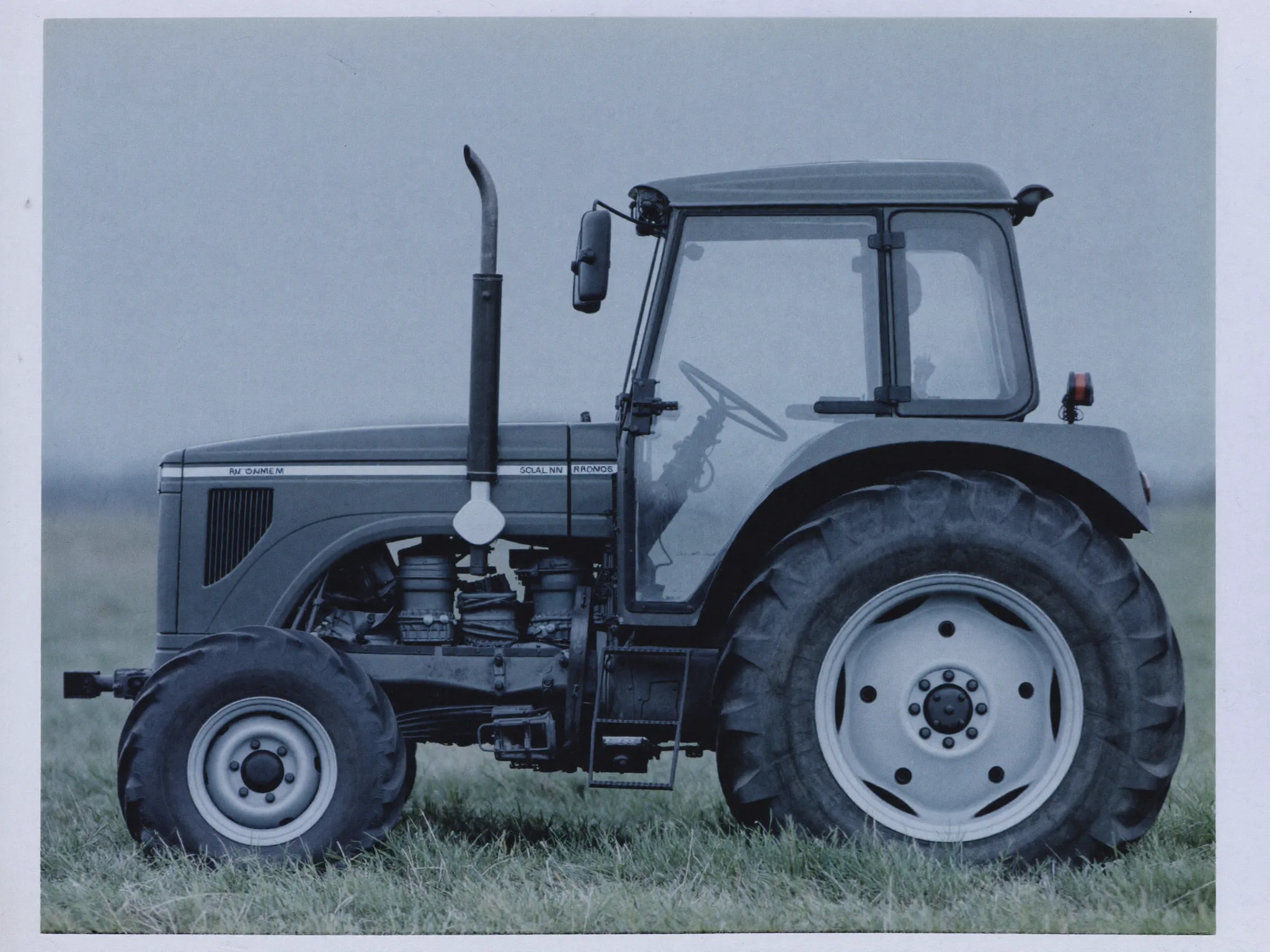
Used combines under 1,500 separator hours resold at 68 percent of list in 2024 because three OEMs set supply. Scarcity on the used lot is what holds the residual.
USDA ERS, auction data
The IFR counted about 541,000 industrial robot installations in 2023, so a used arm now has a real resale market and a real residual.
IFR World Robotics
A 2019 excavator with under 6,000 hours sold at auction within 11 percent of dealer asking price in 2024, so used iron has a floor a lender can price.
Auction results
I spent 19 years telling bank credit committees that a foreign flagged bulk carrier is good collateral. Safewaterline built that argument into the model, which is why I joined.
Northfork Compute
Before
$10.6M of H100s no bank would lend against, 9 weeks into a third bank review
After
$6.57M working capital, cluster still running at 71% utilization
Closed in 11 days
Harbinger Robotics
Before
296 AMRs owned outright, bridge round at a 28% discount on the table
After
$1.7M term loan, bridge round withdrawn
Closed in 14 days

Oakum Shipping
Before
One Supramax paid off, two under bank mortgage, no cash for drydock
After
$3.4M second lien, drydock completed on schedule
Closed in 23 days
Dellwood Farms
Before
41 combines, input costs due in March, operating line maxed
After
$2.2M against 18 combines, inputs paid, harvest run as usual
Closed in 9 days
Brightline Render
Before
416 H200s, render pipeline booked, payroll gap of 6 weeks
After
$3.07M advance, no dilution, founder later joined Safewaterline
Closed in 12 days
Kestrel Marine
Before
7 tugs owned free and clear, a towage contract won but no cash to crew it
After
$1.9M first preferred ship mortgage, crews hired, tugs never left the harbor rotation
Closed in 17 days
Pinecrest Ag
Before
118 tractors, custom harvest contracts signed, fuel and labor due before the first acre was cut
After
$3.3M against 62 tractors, season run on schedule
Closed in 13 days
Mesa Precision
Before
26 CNC centers, a defense subcontract that paid net 90, two months of payroll uncovered
After
$1.4M term loan, machines never stopped cutting
Closed in 16 days
Caldera Robotics
Before
84 industrial arms deployed at customer sites, investors offering a bridge at a 31% discount
After
$2.6M loan, bridge declined, arms kept running at customer sites
Closed in 19 days
Southbank Labs
Before
512 H100s, training run half done, cloud bill due in 3 weeks
After
$2.61M line, $1.1M drawn, run finished, no shares sold
Closed in 10 days
Every deal below funded without a share changing hands, and every asset kept working while pledged (2).
Every deal below funded without a share changing hands, and every asset kept working while pledged (2).
Get a free appraisal and a no obligation term sheet in 4 business days, sized from the GPUs, ships, robots or machines you already own. The equipment keeps earning while it is pledged.
Three banks said no over a year. Safewaterline funded in 11 days against the same GPUs.
Oren Blackwell, CFO, Northfork Compute

Foreign flag, second lien, drydock deadline. Three reasons every bank passed. They closed anyway.
Nikos Varvaris, managing director, Oakum Shipping
The appraisal alone was worth the call. We now know what our fleet is worth to a lender, not just to us.
Curtis Abernathy, owner, Pinecrest Ag
I was skeptical at first. Then the term sheet came back 4 points under the coupon on the bridge note our investors offered, with no discount and no equity.
Simone Achterberg, CEO, Harbinger Robotics
They told us which 23 combines they would not lend against and why. First lender to say that out loud.
Wade Dellwood, owner, Dellwood Farms
Paperwork was one data room and two signatures. Our UCC filing was perfected before the wire landed.
Rashida Oyelaran, controller, Mesa Precision
The tugs never stopped working. Our customers had no idea we had a mortgage on them.
Bill Hanrahan, president, Kestrel Marine
No prepayment penalty was real. We paid off in month 9 and the payoff letter came the same day.
Lena Marchetti, finance director, Brightline Render
I expected predatory. The rate was 2.4 points over our old bank line, and the bank line was gone.
Josefina Ruiz, CFO, Caldera Robotics
Deep report. They found a firmware mismatch across 14 nodes our own team had missed.
Arjun Mehrotra, cofounder, Southbank Labs
Upload what you already have on file, we appraise the asset, and you get a signed term sheet while the machines keep running.
Drop purchase invoices, serial numbers, maintenance logs and the insurance certificate into the secure portal. Most owners finish in 23 minutes or less. Nothing leaves our encrypted data room.
We run 140+ collateral checks per asset: serial match to invoice, meter hours against the service log, 90 day secondary market comps, existing lien search, flag state and class survey for vessels, firmware and warranty status for GPU nodes.
You receive a written term sheet with the appraised value, the advance rate, the fixed rate and term, and exactly which assets carry the lien. Your strengths, the risks we priced, and the cheapest way to borrow more.
Drag and drop files to upload
Finding
Your 46 FANUC M20iA arms appraised at $3.18M orderly liquidation value. A 52% advance funds $1.65M at 11.2% fixed over 48 months. The arms stay on your floor in Tulsa.
Median Series A dilution, Carta, State of Private Markets.
One loan against the equipment you already own. No equity, no warrants, no board seat. The fee and the rate are on the term sheet before you sign anything.
Free appraisal of every asset
Get an itemized orderly liquidation value for each machine, node, vessel or tractor. Yours to keep even if you never borrow.
Advance rates up to 68% of appraised value
Draw working capital sized to what the equipment is worth today, not to last year's tax return.
Fixed rate for 24 to 60 months
Know the full cost on day one. No floating index, no rate resets, no balloon surprise.
The equipment keeps earning
The lien sits on title, a UCC financing statement or a ship mortgage. The asset never leaves your site, cluster or route.
Ask the deal desk anything, anytime
Message the people who underwrote your file directly from your dashboard. A human answers, not a ticket queue.
Safewaterline term loan
0%
of your company given up, 1.25% origination fee
Marcus Okonkwo Haley, CFO, Brightwater Earthworks
The appraisal says orderly liquidation value. Does that mean you plan to sell my excavators?
Rosalind Achterberg, senior credit analyst
No. OLV is the number we size the loan from, nothing more. Your term sheet sets the cure period, 30 days on every file, and we only move on the lien after that period ends without an agreed plan. Of 148 loans funded in 2025, 5 received a default notice and 2 went to enforcement.
2:14 pm, answered in 41 min
The underwriter who priced your equipment stays on the loan. Open the chat from your dashboard for any question about the appraisal, the lien or a payment.
Direct line to the underwriter
Median 1h 47mEvery borrower is assigned one credit analyst by name. Replies land in your dashboard in a median 1 hour 47 minutes during business hours.
Plain answers on the scary words
Orderly liquidation value, cure period, cross default. We explain what each clause means for your fleet before you agree to it.
Credit memo
Borrower: Tessellate Compute, Reno NV. Date: February 27, 2026. Collateral: 256 H100 SXM GPUs, 32 nodes.
Your 256 H100 SXM GPUs were commissioned in Q3 2024 and show 91.4% average utilization over the trailing 180 days, with 11 of 12 months of hosting revenue covered by signed contracts. This places the cluster in our top tier for income producing GPU collateral.
We set the advance at 62% of orderly liquidation value rather than the 68% ceiling because H100 secondary prices fell roughly 23% in the last twelve months. The lower advance keeps your covenant headroom wide if prices fall again. We revalue every 91 days and will raise the line if the resale curve flattens.
Credit committee, Safewaterline
Every term sheet ships stapled to a written credit memo from the committee. It explains how we valued the asset, why we set the advance where we did, and what would raise your line.
Written reasoning, not just a rate
The memo names the comps we used, the resale curve we assumed and the one metric that would raise your advance at the next revaluation. Hand it to your board or your next investor as is.
Collateral health, Halvorsen Robotics, 46 FANUC M20iA arms
Within covenantAppraised value
$2.97M
(origination $3.18M)
Loan balance
$1.49M
Loan to value
50.2%
Covenant limit
75.0%
Headroom
$737K
Next revaluation
Jan 14, 2027
Robot arms, GPU nodes, hulls and tractors are revalued on the same quarterly cycle, and we show you the number. When the market for your asset improves, your available line goes up with it.
Quarterly revaluation, visible to you
Every 91 daysSee appraised value, loan to value and covenant headroom on one panel. No surprise margin calls, because you see the curve before we do anything.
Borrow more without a new file
If utilization holds and comps rise, request an increase from the same dashboard. Your documents are already on record.
"A bank sees a tractor, a robot or a GPU as one line on a depreciation schedule. We see 140+ collateral checks on a machine that earns money every day. Lending against that is a measurement problem, and we built Safewaterline to measure it."
Tobias Lindqvist Ferreira
Head of credit at Safewaterline
13 years in equipment finance
Before Safewaterline he underwrote $2.14B of equipment loans across agriculture, marine and industrial robotics and chaired its collateral valuation committee.
If your question is not here, use the chat box in the bottom right or email a credit officer at [email protected]. A person replies within one business day.
47 questions answered
RA DF Answered by Rosalind Achterberg and Dmitri Falk, credit officers
What arrives after you sign, and what refreshes every year.
Safewaterline is asset based lending for equipment that earns money. We appraise what you own, set an advance rate and term, file the lien and fund. The equipment keeps working while it is pledged.
Founders, CFOs and owner operators who hold GPUs, robots, tractors, heavy equipment or ships on the balance sheet and need capital without selling equity or selling the equipment.
Refreshed once a year. Top up line reviewed on each refresh.
Yes, and if you can get one at the rate you want in the time you have, take it. Here is why most operators who read this page cannot.
A bank line is the cheapest capital on this page. Prime plus 1 to 3 points, if you qualify. The Federal Reserve Small Business Credit Survey has reported for several years that only about half of employer firms that apply for financing receive the full amount they ask for.
A bank underwrites two years of cash flow history and a generic collateral table. It cannot price 64 H200 nodes with a 36 month compute contract, a Panama flagged handysize bulk carrier, or a fleet of 14 AMRs on a warehouse lease. It has no appraiser for them, so it marks them down or declines. Safewaterline runs 140+ collateral checks per asset class with three pricing sources each: rental rate indexes and auction comps for GPUs, Clarksons derived sale comps for ships, dealer and auction data for iron.
Bank collateral tables still depreciate a GPU on a straight line IT schedule, which treats a node that rents at a published hourly rate as if it were an office laptop. That is the equivalent of pricing a ship by its age alone.
The bank line comes with a blanket lien. Once the bank holds a first position on all assets, you cannot pledge the next cluster or the next vessel to anyone else without the bank's consent. Try it yourself: ask your bank for a carve out letter on one asset and count the weeks.
A broker shops your file to 20 or 30 lenders and takes 2 to 4 points on close. You still wait on the same banks. We do use banks ourselves: part of our funding comes from bank warehouse lines, and we use language models to draft routine documents. The appraisal, the advance rate and the lien work are done by our own models and our own credit team.
If you want the cheapest line and can wait 90 days with a blanket lien, a bank is a reasonable starting point. If you need capital against specific equipment in weeks and want to keep the rest of your balance sheet free, Safewaterline is in a different category entirely.
| Criterion | Bank | Broker | Safewaterline |
|---|---|---|---|
| Time to answer | 60 to 90 days | 30 to 60 days | 4 business days to term sheet |
| Collateral it can price | generic table | whatever the bank says | 140+ checks, 3 sources per class |
| Lien scope | blanket, all assets | same as bank | specific units only |
| Fee | origination 0.5 to 1 point plus legal | 2 to 4 points plus the bank's fees | 1.25 point origination, no broker fee, no prepayment penalty |
Rates depend on appraisal.
Once a year we re run the appraisal and review the loan. If your fleet is worth more, the top up line can go up. If you added units, they can be added to the lien instead of starting over.
How we value, structure and watch the collateral, and where the numbers stop.
Appraisal
140+
collateral checks
140+ collateral checks per asset class, three independent pricing sources per unit: for GPUs, published hourly rental indexes, auction comps and OEM resale data; for ships, Clarksons derived sale comps, scrap value and charter rates; for iron, dealer listings, auction results and hour adjusted resale curves.
Structure
42% to 68%
of OLV
Advance rates between 42% and 68% of orderly liquidation value, set per asset class and per unit age. Terms from 24 to 60 months. Specific unit lien, never a blanket lien.
Monitoring
11
data points per unit, monthly
Monthly collateral statement from telemetry or hour meters you export yourself, 11 data points per unit. No site visits unless a covenant is missed.
Advance rate by asset class
42% to 68% of OLVGPUs 2 years or newer
62%
Robots
52%
Tractors and heavy equipment
68%
Ships
55%
Illustrative. Final rate depends on appraisal.
Yes, that is exactly what the structure is built for. A lien is a security interest, not possession. The lien names serial or hull numbers, not the company. No warrants, no board seat. The cluster stays in your rack, the combine stays in your field, the vessel keeps her charter. Cure periods are 30 days on any missed payment. What you can borrow depends on what you can document, and rates vary with the appraisal.
A cash advance prices your revenue and a broker prices nothing; both pass your file to someone else. We appraise each unit ourselves with 140+ collateral checks and lend between 42% and 68% of its orderly liquidation value.
We price it on what it earns and what it sells for: published hourly rental indexes, auction comps and OEM resale data. A two year old H100 SXM node under warranty currently appraises at about $8,230 per GPU against a market figure of $7,740.
Book value follows a tax or IT depreciation schedule, which says nothing about resale. Our figure is orderly liquidation value, what the unit would fetch in a 91 day sale to a willing buyer, and we re run it every 91 days.
Three independent sources per asset class: rental indexes, auction comps and OEM resale data for GPUs; Clarksons derived sale comps, scrap value and charter rates for ships; dealer listings, auction results and hour adjusted resale curves for iron. Our resale ledger holds 2,340+ resale comps across 11 secondary markets.
Yes. The written appraisal per unit comes with the term sheet on day 4, before you commit to anything.
Yes. Send your credit officer the comp or contract you think we missed and we re run that unit within 2 business days; if the number moves, the term sheet is reissued.
It records our security interest in the named units with the state, so a later lender or buyer can see the claim. It does not give us possession or any say in how you run the equipment.
A ship mortgage is recorded at the vessel's flag state registry rather than with a US state, and it attaches to the hull itself. Recording takes longer, which is why foreign flagged ships can take up to 24 business days to wire.
We file the termination within 5 business days of the final payment. You receive the filed release for your records and the units are unencumbered.
Yes, with written notice before the move. A node moved to a second data hall or a vessel on a new charter route does not change the terms.
Yes, with notice. The sale proceeds for that unit pay down the loan at its appraised share, or you can substitute a unit of equal or greater value.
Yes. New units are appraised, added to the lien by amendment and can raise the top up line, without starting a new loan.
Between 9.8% and 13.6% fixed for the life of the loan, set by asset class and appraisal. Recent examples: tractors and heavy equipment at 9.8%, ships at 10.6%, robots at 11.2%, GPUs at 11.4%.
None. Repay part or all of the principal on any payment date and interest stops on the amount repaid.
$250,000. There is no fixed maximum; the largest single facility to date was secured by 1,280 H100 GPUs.
From 24 to 60 months. GPU loans usually run 36 months, robot fleets 48 and ships 60, matched to the useful life of the collateral.
1.25% of principal, deducted from the funding wire. There are no broker fees, appraisal fees or exit fees.
A real appraisal and a perfected lien take days. Here is where each one goes.
Day 0
Upload six documents
Day 4
Term sheet, no obligation
Day 14
Lien perfected, funds wired (Day 28 for foreign flagged ships)
Six documents
Up to 4 business days from a complete upload to a no obligation term sheet. Up to 10 business days from a signed term sheet for our team to finish the appraisal, perfect the lien and wire funds. Ships with a foreign registry can take up to 24 business days because the mortgage is recorded at the flag state.
A term loan with a top up line. Repay early at any time with no prepayment penalty. You keep a named credit officer and unlimited messaging for the life of the loan.
Once a year for the refreshed appraisal, or whenever you add units. Telemetry for GPUs and robots is read monthly from an export you control, so there is nothing to resubmit between refreshes.
Purchase invoices, serial or hull numbers, utilization logs or contracts, an insurance certificate, an existing lien search, and photos or a telemetry export. A complete upload starts the 4 business day clock.
Eleven data points per unit, read monthly from an export you control: utilization, hours, temperature, error counts, location and the like. We never install an agent or need network access to your cluster.
You, your named credit officer and our credit committee. Nobody outside Safewaterline sees it unless you ask us to share it with your counsel or a co lender.
For the life of the loan plus 7 years, as our regulators require. After that they are deleted from our systems on a written schedule you can request.
No. Comps in our resale ledger are anonymised and aggregated; your serial numbers, contracts and telemetry are never sold or passed on.
Yes, the export is yours to stop at any time. Stopping it means the monthly collateral statement cannot be produced, which is a covenant, so tell your credit officer first and we agree an alternative such as hour meter photos.
Yes. Nodes 2 years or newer advance at 62% of orderly liquidation value; older H100 nodes are priced lower on the same ledger.
If you own the units, yes, at 52% of OLV. If the units themselves are leased, the lessor holds title and we cannot take a lien, but we can lend against units you own in the same fleet.
Yes, at up to 68% of OLV, the highest advance rate on the page because the resale market is deep and the depreciation curve is slow. Hour meters and dealer data set the number.
Yes, at 55% of OLV, with the mortgage recorded at the flag state. Our counsel is admitted in the Marshall Islands and Liberia, and recording can add up to 24 business days before the wire.
Real estate, receivables, inventory, software, vehicles under 3.5 tonnes and any equipment you do not hold title to. Consumer GPUs and drones are also out of scope for now.
Any unit with a purchase invoice and a serial or hull number, from a new build to a 2009 bulk carrier. Age moves the advance rate rather than the answer: a 2021 excavator at 4,100 hours is simply priced as such.
No. A lien is a security interest, not possession, and a late payment triggers a 30 day cure period and a call from your credit officer, not a truck. Read the full answer.
No. Like a mortgage on a building or a line on receivables, a priced loan on productive equipment is ordinary capital structure, and it costs far less than 20.4% dilution at a Series A. Read the full answer.
We revalue every 91 days, and a fall in value does not change the payment on an existing loan. It can lower the top up line at the next refresh, and we tell you in writing before anything moves.
Before, if you can. Capital from units you already own lets you raise on your schedule, and investors read the cheapest capital used first as discipline.
A named credit officer, assigned when you upload, with direct messaging for the life of the loan. Rosalind Achterberg and Dmitri Falk answer the questions on this page.
Within one business day by email or chat. Anything touching a covenant or a wire is answered the same day.
You receive a monthly collateral statement with the same 11 data points we see and an annual refresh of the appraisal. Otherwise nothing changes: the units keep working and nothing moves without written notice.
A written notice and a 30 day cure period, during which your credit officer works with you on a fix. Enforcement is rare: 5 default notices and 2 enforcements across the 148 loans closed in 2025.
Yes. Add as many named users as you need to the deal room, with read only or signing rights, at no charge.

Most fear of a lien comes from uncertainty, not knowing what actually triggers what. When you are guessing about the terms, your mind makes them worse than they are.
Many owners find their units are worth more than book value. A 2023 H100 node is written down to near zero on a three year IT schedule, yet it still rents at a published hourly rate. Our appraisal prices it on what it earns and what it sells for, not on the schedule.
A late payment triggers a 30 day cure period and a call from your credit officer, not a truck. A missing title on one of 12 units changes the advance rate, and we tell you before the term sheet. Normal wear does not: a 2021 excavator at 4,100 hours is simply a 2021 excavator at 4,100 hours.
The monthly collateral statement shows the same 11 data points we see. You know your borrowing base before we do anything with it, and nothing moves without written notice.
What changes the terms
Does not
Does
"I expected the lien to feel like a leash. The statement shows me the same numbers they see, and the units never stopped earning."

Many founders feel that pledging assets means the business is in trouble. But here is what the data tells us: borrowing against productive equipment is normal. Like a mortgage on a building or a line on receivables, it is just another form of capital structure.
Cost of $2.61M over 36 months, illustrative
$2.61M today, $6.0M at the next round if it prices 2.3x higher, 20.4% dilution
$78K fee plus $376K interest, blanket lien
$33K origination plus $485K interest, specific lien, no prepayment penalty
ELFA has reported that a large majority of US companies use some form of financing when they acquire equipment.
Carta data has put typical Series A dilution at 20.4% of the company.
US farm sector debt is forecast by USDA ERS at about $561.8 billion. Equipment debt is the norm, not the exception.

"We had 1,280 H100s and a Series B term sheet at a price I hated. The loan bought us nine months and the next round came in 2.3x higher."
the fleet keeps moving,
the lien stays still
move to startle · press to feed